


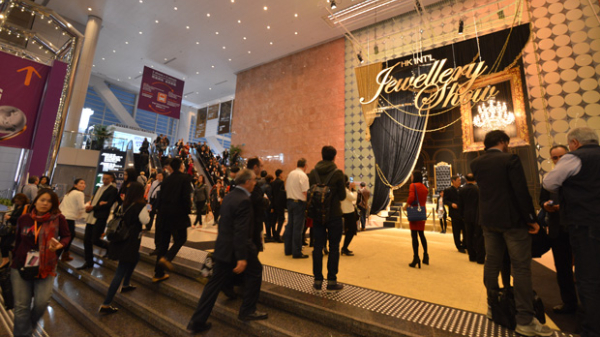
The global jewelry trade stands as a testament to humanity’s enduring fascination with adornment and luxury. Dating back millennia, this industry has evolved from ancient artisans shaping precious metals into intricate designs to modern conglomerates orchestrating complex supply chains. At the heart of this dynamic sector lie international jewelry fairs, serving as pivotal hubs where tradition meets innovation and where the allure of jewelry converges with the latest trends in design, technology, and commerce.
Historically, jewelry fairs have been integral to the development and expansion of the jewelry trade. These gatherings provided artisans, merchants, and enthusiasts with rare opportunities to showcase their craftsmanship, exchange knowledge, and forge partnerships across borders. From the bustling marketplaces of ancient civilizations to the opulent showcases of the Renaissance era, the appeal of these events transcended geographical boundaries, drawing traders from distant lands to engage in the timeless art of commerce.
In the contemporary context, international jewelry fairs continue to play a central role in shaping the trajectory of the global jewelry trade. These events serve as focal points for industry professionals to unveil their latest collections, introduce cutting-edge technologies, and explore emerging market trends. From the grandeur of Baselworld in Switzerland to the vibrant energy of the Hong Kong Jewelry & Gem Fair, these fairs attract thousands of exhibitors and attendees from every corner of the globe, fostering a spirit of creativity, collaboration, and commerce.
Technical advancements have revolutionized the way jewelry fairs are organized and experienced. In an era defined by digital connectivity, virtual platforms and online showcases have emerged as indispensable tools for exhibitors and buyers alike. Leveraging immersive technologies such as augmented reality and virtual reality, participants can now explore intricate jewelry designs in unprecedented detail, transcending the limitations of physical distance and logistical constraints.
Moreover, international jewelry fairs serve as catalysts for economic growth and cultural exchange within the jewelry trade. Beyond the dazzling displays of craftsmanship, these events provide a platform for artisans from diverse cultural backgrounds to celebrate their heritage and creativity. Whether it’s the intricate filigree of Indian jewelry or the contemporary elegance of Western designs, each piece tells a unique story, reflecting the rich tapestry of human ingenuity and cultural diversity.
In conclusion, international jewelry fairs represent far more than mere marketplaces; they are vibrant ecosystems where tradition intersects with innovation, and where cultures converge in a celebration of beauty and craftsmanship. As we navigate an increasingly interconnected world, these gatherings serve as beacons of inspiration, driving the evolution of the jewelry trade while preserving its timeless allure for generations to come.
