


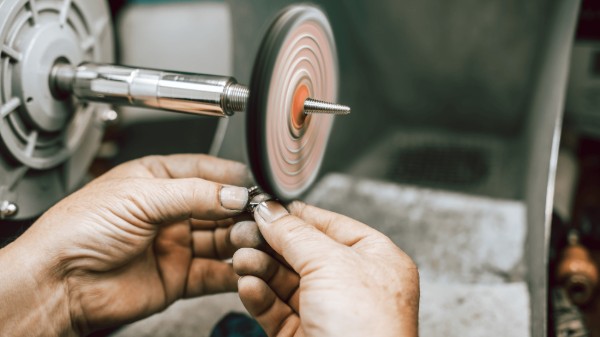
Gold jewelry, while stunning, is susceptible to scratches due to its softness, especially in higher karat forms. Removing scratches safely is crucial to preserving the integrity and beauty of your cherished pieces. This guide outlines the best practices, tools, and techniques for addressing scratches on different types of gold jewelry.
Understanding Gold Types and Scratch Sensitivity
Solid Gold (24K, 18K, 14K):
- 24K Gold: Pure gold, softest and most prone to scratches.
- 18K Gold: Slightly more durable due to alloying with other metals.
- 14K Gold: Most resistant to scratches, suitable for everyday wear.
Gold-Plated Jewelry:
- A thin layer of gold over base metal. Scratch removal is challenging without damaging the plating.
Gold-Filled Jewelry:
- Contains a thicker gold layer, making it more durable than plated pieces but still sensitive to aggressive polishing.
Essential Tools and Materials
- Jewelry Polishing Cloth: Specially designed for gold, safe and effective.
- Microfiber Cloth: For buffing and finishing.
- Jewelry Cleaning Solution: Mild, non-abrasive cleaner to prep the surface.
- Soft-Bristled Brush: For intricate designs.
- Gold Polishing Compound: Removes minor scratches without damaging the surface.
- Magnifying Glass: To inspect the scratches and track progress.
Step-by-Step Process to Remove Scratches
Clean the Jewelry:
- Use a mild jewelry cleaning solution and a soft brush to remove dirt and oils.
- Rinse thoroughly and pat dry with a microfiber cloth.
Assess the Scratches:
- Use a magnifying glass to determine the depth and extent of the scratches.
- Proceed cautiously with plated or delicate pieces.
Apply Polishing Compound:
- For solid gold, apply a small amount of gold polishing compound to a polishing cloth.
- Rub gently in a circular motion over the scratched area.
Buff with a Microfiber Cloth:
- Wipe away the polishing compound and buff the surface to restore shine.
- Repeat the process if necessary, but avoid over-polishing.
Inspect and Final Touches:
- Check the piece under good lighting for any remaining scratches.
- For intricate areas, use a soft-bristled brush with light pressure.
Special Considerations for Different Types of Gold
- Gold-Plated Jewelry:
- Avoid abrasive compounds. Use a polishing cloth specifically for plated jewelry.
- Focus on cleaning rather than scratch removal to preserve the gold layer.
- Gold-Filled Jewelry:
- Light polishing is acceptable, but avoid excessive pressure that may wear through the gold layer.
When to Seek Professional Help
Deep Scratches:
- If scratches are deep or the piece is valuable, consult a professional jeweler to avoid further damage.
Complex Designs:
- For intricate or gemstone-embedded pieces, professional cleaning and polishing ensure safe results.
Preventing Future Scratches
Proper Storage:
- Store gold jewelry in individual pouches or lined compartments to avoid contact with other pieces.
Remove During Activities:
- Take off gold jewelry before exercising, swimming, or using household chemicals.
Routine Maintenance:
- Clean and polish regularly to prevent buildup that can lead to surface damage.
Conclusion
Safely removing scratches from gold jewelry requires patience, the right tools, and careful techniques. By following these guidelines, you can restore the beauty of your gold pieces without compromising their integrity. For significant damage or valuable pieces, professional services are always the best choice to ensure optimal results.
