

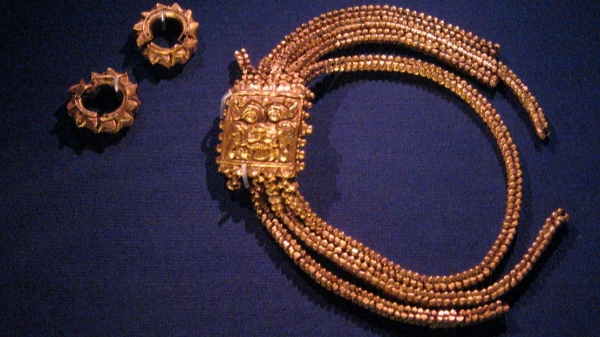
Gold jewelry is more than just adornment; it is a canvas that reflects the cultural identity, traditions, and values of societies around the world. The interplay between culture and design has given rise to a myriad of styles, techniques, and symbolic meanings, shaping gold jewelry into an art form that transcends borders. This article explores how culture influences gold jewelry design, highlighting regional styles, traditional techniques, and the evolving global impact of cultural fusion.
The Role of Culture in Gold Jewelry Design
Symbolism and Meaning:
- Gold jewelry often carries deep symbolic significance, representing wealth, power, and spirituality.
- Cultural motifs and symbols, such as lotus flowers in Asia or Celtic knots in Europe, are integral to many designs.
Occasions and Traditions:
- Gold jewelry is central to ceremonies such as weddings, religious festivals, and rites of passage.
- For example, in Indian weddings, gold is a symbol of prosperity and marital commitment, while in the Middle East, intricate gold pieces are gifted during weddings and family celebrations.
Regional Influences on Gold Jewelry Design
Asia:
- India: Known for elaborate Kundan and Meenakari work, Indian gold jewelry often features vibrant colors, intricate designs, and precious stones.
- China: Gold jewelry often incorporates dragons, phoenixes, and other traditional symbols, reflecting themes of harmony and prosperity.
Middle East:
- Designs emphasize bold, chunky styles, with a focus on filigree work and ornamental patterns.
- Gold purity is highly valued, with many pieces made from 22K gold.
Europe:
- Classic and minimalist designs dominate, with a preference for white and rose gold.
- Historical influences, such as Victorian or Art Deco styles, continue to shape contemporary designs.
Africa:
- Traditional gold jewelry often incorporates tribal patterns and natural motifs, reflecting the connection between people and their environment.
- Gold beads and cuffs are popular, symbolizing status and heritage.
Americas:
- Indigenous cultures in Central and South America crafted gold jewelry featuring animals and celestial symbols.
- Modern designs often blend traditional elements with contemporary aesthetics.
Techniques Rooted in Culture
Filigree Work:
- Popular in Mediterranean and Middle Eastern cultures, this technique involves delicate gold wires twisted into intricate patterns.
Enameling:
- Traditional Indian Meenakari and Chinese cloisonné techniques add vibrant colors to gold jewelry.
Lost-Wax Casting:
- A technique used across cultures, from ancient Egypt to modern artisans, for creating detailed gold pieces.
Globalization and Cultural Fusion in Gold Jewelry
Cross-Cultural Influences:
- Designers are blending motifs and styles from different cultures to create unique, globally appealing pieces.
Modern Adaptations:
- Traditional designs are being reinterpreted for modern consumers, combining cultural heritage with contemporary aesthetics.
Ethical Sourcing:
- Cultural awareness is driving demand for ethically sourced gold, respecting both the environment and the communities involved in production.
Challenges in Preserving Cultural Identity
Commercialization:
- Mass production often dilutes the cultural significance of traditional designs.
Sustainability:
- Balancing the preservation of traditional techniques with sustainable practices remains a challenge.
Cultural Appropriation:
- Designers must navigate the fine line between inspiration and appropriation to honor the origins of cultural motifs.
Conclusion
Culture profoundly shapes gold jewelry design, infusing it with history, meaning, and artistry. As the world becomes increasingly interconnected, the fusion of cultural influences offers exciting opportunities for innovation while preserving the rich heritage of traditional designs. By respecting cultural roots and embracing sustainability, gold jewelry will continue to be a powerful expression of identity and creativity for generations to come.
