


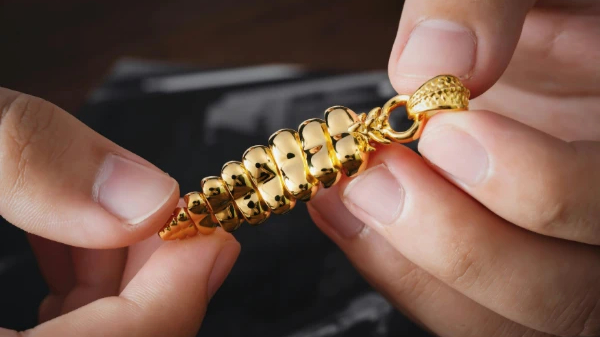
Germany has long been recognized for its exceptional craftsmanship in gold jewelry, a tradition that spans centuries and reflects the nation’s artistic, cultural, and technical prowess. From ancient tribal ornaments to modern sustainable designs, German goldsmiths have continually evolved their techniques while honoring their heritage. This article explores the journey of German gold jewelry craftsmanship through the ages, highlighting key periods, innovations, and enduring influences.
Gold Jewelry in Ancient Germanic Tribes
Symbolism and Status:
- For ancient Germanic tribes, gold jewelry signified power, wealth, and social status.
- Pieces like arm rings, brooches, and necklaces served both decorative and functional purposes, often used as currency or for trade.
Motifs and Designs:
- Nature-inspired motifs, such as animals and plants, dominated early designs, reflecting the tribes’ connection to the natural world.
- Patterns like knots and spirals symbolized protection, strength, and eternity.
Medieval Mastery and the Rise of Guilds
Religious Artistry:
- Gold jewelry in the medieval era often carried religious significance, with goldsmiths crafting crosses, reliquaries, and chalices adorned with gemstones.
Guild Influence:
- Goldsmith guilds established in cities like Nuremberg and Augsburg set high standards for quality and innovation.
- These guilds played a crucial role in preserving traditional techniques and fostering new ones.
Renaissance Innovation in Gold Jewelry
Artistic Revival:
- The Renaissance brought a renewed focus on classical themes and humanist ideals, influencing goldsmiths to create intricate, balanced designs.
Advanced Techniques:
- Techniques such as enameling and repoussé became prominent, allowing for greater detail and artistic expression in gold jewelry.
Prominent Goldsmiths:
- Renowned artisans like Wenzel Jamnitzer merged practicality with artistry, producing masterpieces that remain iconic.
The Baroque and Rococo Eras: Extravagance and Elegance
Ornate Designs:
- Baroque jewelry emphasized grandeur, with bold, elaborate patterns and extensive use of gemstones.
- Rococo introduced lighter, more playful motifs, including floral designs and curvilinear forms.
Courtly Influence:
- German courts in Dresden and Munich became centers of luxurious gold jewelry production, influencing trends across Europe.
The Industrial Revolution and Bauhaus Influence
Mass Production:
- The Industrial Revolution introduced machinery that allowed for the mass production of gold jewelry, making it more accessible.
Bauhaus Movement:
- The early 20th-century Bauhaus movement revolutionized design with its emphasis on simplicity and functionality.
- Gold jewelry from this era featured clean lines and geometric shapes, reflecting modernist principles.
Contemporary German Goldsmithing
Sustainability:
- Ethical sourcing of gold and the use of recycled materials have become priorities for modern German goldsmiths.
Technological Integration:
- Innovations like 3D printing and computer-aided design (CAD) enable artisans to produce intricate, customizable pieces with precision.
Fusion of Styles:
- Contemporary designs often combine traditional techniques with modern aesthetics, appealing to a diverse audience.
Cultural and Economic Impact
Pforzheim: The “Golden City”:
- Pforzheim remains a hub for gold jewelry production, contributing significantly to Germany’s economy and global reputation.
Heirloom Traditions:
- Gold jewelry is often passed down through generations, serving as both a cultural symbol and a family treasure.
Global Influence:
- German goldsmithing techniques and designs have inspired artisans worldwide, cementing Germany’s legacy in the global jewelry industry.
Conclusion
German craftsmanship in gold jewelry exemplifies the perfect blend of tradition, innovation, and artistry. From ancient tribal designs to the minimalist elegance of the Bauhaus movement and modern sustainable practices, German goldsmiths have continually pushed the boundaries of their craft. Today, their creations continue to captivate and inspire, solidifying Germany’s place as a global leader in gold jewelry design and manufacturing.
