


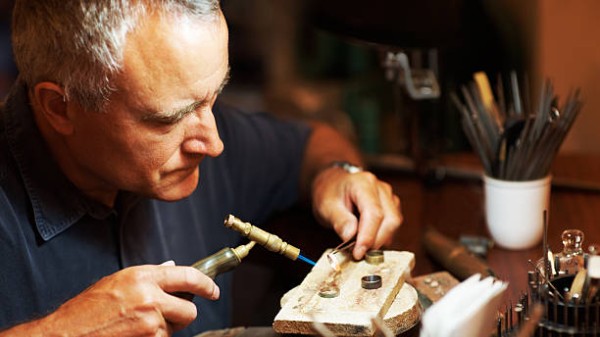
Gold jewelry has always held a prominent place in Italian culture, symbolizing wealth, love, and artistic expression. Across centuries, Italians have used gold not only as a medium for exquisite craftsmanship but also as a way to celebrate life’s milestones and preserve cultural traditions. This article explores the enduring significance of gold jewelry in Italian customs, ceremonies, and daily life.
The Role of Gold in Italian Celebrations
Weddings:
- Gold jewelry is an integral part of Italian weddings. The wedding ring, or “fede,” symbolizes eternal love and commitment.
- Families often gift gold bracelets, necklaces, or earrings to the bride as a gesture of prosperity and goodwill.
Religious Ceremonies:
- Gold crosses, medallions of saints, and rosaries are cherished items in Italian religious traditions.
- Baptisms, first communions, and confirmations are marked by the gifting of gold jewelry, reflecting the sacredness of the occasion.
Festivals and Feasts:
- During traditional festivals, gold jewelry plays a role in adorning statues of saints and participants in processions.
- Italian goldsmiths often create elaborate pieces specifically for religious or regional celebrations.
Gold Jewelry as a Family Heirloom
Generational Gifts:
- Gold jewelry is commonly passed down through generations, serving as a family heirloom that carries sentimental and historical value.
Preserving Heritage:
- Heirloom jewelry often features traditional designs unique to specific regions, such as Venetian glass-inlaid pieces or Florentine engraved gold.
Legacy of Love:
- These pieces are not just ornaments but symbols of familial bonds and shared memories.
Iconic Italian Goldsmithing Techniques
Filigree:
- This intricate technique involves twisting and soldering fine gold wires into delicate patterns, often seen in earrings and pendants.
Granulation:
- Popularized by the ancient Etruscans, this method involves adorning jewelry with tiny gold spheres to create textured designs.
Hand Engraving:
- Italian goldsmiths are renowned for their skillful engraving, which adds intricate details and personal touches to each piece.
Everyday Gold Jewelry in Italian Culture
Personal Adornments:
- Italians often wear simple gold chains, hoop earrings, or bracelets as part of their daily attire, reflecting elegance and tradition.
Symbolism:
- Gold jewelry often carries protective or meaningful symbols, such as the “corno” (horn) to ward off the evil eye.
Fashion Statements:
- Contemporary Italian designers incorporate traditional motifs into modern designs, making gold jewelry both timeless and trendy.
Modern Trends and Cultural Preservation
Sustainable Practices:
- Many Italian jewelers now focus on ethical sourcing and recycled gold, aligning with global sustainability trends.
Customization:
- Personalized engravings, custom designs, and modular pieces cater to modern tastes while maintaining traditional craftsmanship.
Fusion of Styles:
- By blending traditional techniques with contemporary aesthetics, Italian goldsmiths appeal to both local and international markets.
The Emotional Connection to Gold Jewelry
Symbols of Love and Affection:
- Whether gifted during a romantic gesture or as a token of friendship, gold jewelry holds deep emotional value in Italian culture.
Markers of Milestones:
- From christenings to anniversaries, gold jewelry commemorates life’s significant moments.
Cultural Pride:
- Wearing gold jewelry is a way for Italians to celebrate their heritage and showcase their connection to a rich cultural tradition.
Conclusion
Gold jewelry is deeply intertwined with Italian culture and traditions, embodying both artistic excellence and emotional resonance. From ancient techniques passed down through generations to modern innovations that honor sustainability, Italian gold jewelry remains a testament to the country’s heritage and creativity. It is more than a material; it is a living symbol of Italy’s history, values, and timeless beauty.
