

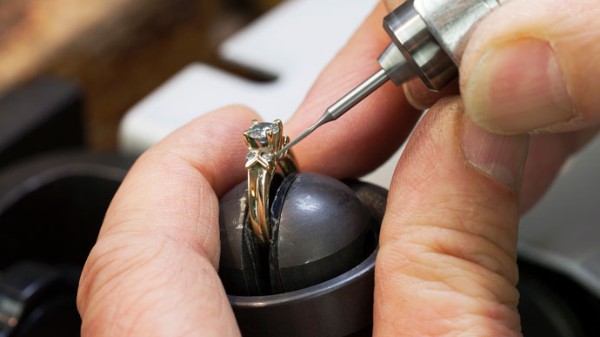
Gold granulation is an ancient jewelry-making technique that involves decorating the surface of a piece with tiny gold beads or granules. This method has been used for centuries, dating back to ancient civilizations such as the Etruscans, who were known for their mastery of granulation. The technique creates intricate, textured patterns that add a unique visual interest to gold jewelry. Today, gold granulation remains a popular choice for artisan jewelers seeking to incorporate traditional craftsmanship into their designs. In this article, we will explore the concept of gold granulation, its variations, and its role in modern jewelry manufacturing.
What is Gold Granulation?
Gold granulation is the process of fusing tiny gold spheres, known as granules, onto the surface of a gold jewelry piece. These granules are arranged in decorative patterns, often forming intricate designs or motifs. The process requires precise temperature control to ensure that the granules adhere to the base metal without losing their distinct spherical shape.
- Purpose: The primary purpose of gold granulation is to enhance the aesthetic appeal of a piece by adding texture and intricate detail. The technique allows jewelers to create ornate designs that are visually striking and highly detailed, making each piece a work of art.
- Standardization: The granulation technique can be applied to different gold alloys, including 18K and 22K gold. The higher purity of gold is preferred for granulation due to its lower melting point, which makes it easier to fuse the granules without melting the entire piece.
Types of Gold Granulation in Jewelry Manufacturing
Filigree Granulation:
- Overview: Filigree granulation combines two traditional techniques—filigree and granulation. In this style, granules are fused onto delicate filigree wire patterns to create intricate, lace-like designs. The combination of filigree and granulation results in an ornate and sophisticated appearance.
- Applications: Filigree granulation is commonly used in earrings, pendants, and brooches, where the intricate detailing can be showcased. The technique is particularly popular for vintage-inspired designs that evoke a sense of history and craftsmanship.
Geometric Granulation:
- Overview: Geometric granulation involves arranging granules in precise, repeating patterns, such as lines, triangles, or circles. This style emphasizes symmetry and order, creating a modern look while still using traditional techniques.
- Applications: Geometric granulation is often used in rings and bracelets, where the repeating patterns can be appreciated. The structured appearance of geometric granulation appeals to those looking for a blend of traditional craftsmanship and contemporary design.
Organic Granulation:
- Overview: Organic granulation features granules arranged in more random, natural patterns. The granules may be clustered or scattered across the surface, creating an organic, freeform look that mimics natural textures.
- Applications: Organic granulation is popular for artistic jewelry pieces, such as nature-inspired pendants or statement rings. The irregular placement of the granules gives each piece a unique, handcrafted quality that appeals to those seeking individuality in their jewelry.
Importance of Gold Granulation in Jewelry Manufacturing
- Historical Significance: Gold granulation is a technique with deep historical roots, dating back thousands of years. Its use in modern jewelry evokes a sense of tradition and connection to ancient craftsmanship. This historical significance adds value to the jewelry and makes it more appealing to consumers who appreciate the heritage of the craft.
- Aesthetic Appeal: The intricate patterns created through granulation add a level of visual complexity that enhances the overall beauty of the jewelry. The contrast between the smooth gold surface and the textured granules creates depth and interest, making each piece a unique work of art.
- Craftsmanship: Gold granulation is a labor-intensive technique that requires a high level of skill and precision. The process of arranging and fusing the granules without melting them is challenging, and the end result reflects the artisan’s expertise. This level of craftsmanship is highly valued in the jewelry industry, particularly for high-end, bespoke pieces.
Practical Considerations for Gold Granulation
- Gold Alloy Selection: The choice of gold alloy is important for successful granulation. Higher-karat gold, such as 22K, is preferred because it is softer and has a lower melting point, which allows the granules to fuse more easily. Lower-karat gold alloys may require additional flux or bonding agents to achieve the desired result.
- Temperature Control: Achieving the correct temperature is crucial in the granulation process. The temperature must be high enough to fuse the granules to the base without melting their shape. This requires careful monitoring and control, often using a reducing flame to prevent oxidation.
- Arrangement and Design: The arrangement of the granules is a critical aspect of the design. Granules must be placed with precision, and their placement can significantly impact the overall appearance of the piece. Jewelers may use adhesives or flux to hold the granules in place before heating, ensuring that the design remains intact.
Gold Granulation in Jewelry Manufacturing Process
The process of gold granulation begins by creating the granules themselves. Small pieces of gold are melted and then dropped into water to form tiny spheres. These granules are then cleaned and prepared for use in the design.
The jewelry piece that will serve as the base is also prepared, often by shaping and polishing it to the desired form. The granules are then carefully arranged on the surface of the base, often using a natural adhesive or flux to hold them in place. The entire piece is then heated in a reducing atmosphere to fuse the granules to the base. The key is to reach the temperature at which the granules fuse without losing their shape or melting the base.
After the granules are successfully fused, the piece is cleaned and polished to enhance its appearance. The result is a beautiful, intricate piece of jewelry that showcases the skill and artistry of the jeweler. Gold granulation is a technique that requires patience and precision, and the finished product is a testament to the craftsmanship involved.
Conclusion
Gold granulation is a traditional jewelry-making technique that adds intricate detail and texture to gold pieces. By fusing tiny gold granules onto the surface of jewelry, artisans can create ornate designs that are visually stunning and rich in historical significance. Whether used in filigree, geometric, or organic styles, gold granulation brings a unique level of craftsmanship and aesthetic appeal to jewelry. Understanding the techniques and practical considerations involved in gold granulation helps jewelry manufacturers create pieces that are not only beautiful but also deeply connected to the heritage of the craft.
