


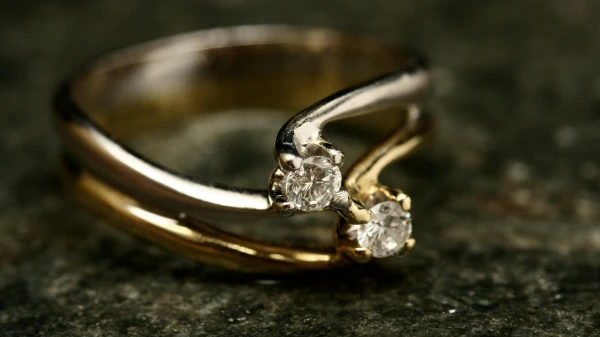
Triple plating is a technique used in jewelry manufacturing to enhance the durability, appearance, and resistance of jewelry pieces. This process involves the application of three successive layers of metal plating, each with its specific purpose, to create a high-quality, long-lasting finish. Triple plating is commonly used in fashion jewelry to replicate the luxurious look of precious metals while providing added protection against wear and tarnish. In this article, we will explore the triple plating process, its variations, and its importance in jewelry manufacturing.
What is Triple Plating?
Triple plating refers to the process of electroplating a jewelry piece with three distinct layers of metal, each serving a particular function. The process starts with an initial layer to provide adhesion, followed by an intermediate layer for added durability, and finally a top layer for aesthetic enhancement. These multiple layers work together to improve the overall quality, appearance, and lifespan of the jewelry.
- Purpose: The primary purpose of triple plating is to enhance the visual appeal and durability of jewelry by providing a thicker, more resilient coating compared to single-layer plating. The result is a jewelry piece that has the look and feel of high-quality precious metal, with improved resistance to scratches and tarnish.
- Standardization: The materials used in triple plating can vary depending on the type of jewelry and its intended use. Common metals used in this process include nickel, copper, gold, rhodium, and silver.
Types of Triple Plating in Jewelry Manufacturing
Copper-Nickel-Gold Plating:
- Overview: This type of triple plating involves applying a base layer of copper, followed by a layer of nickel, and finally a top layer of gold. The copper layer helps to create a smooth and uniform surface, while the nickel layer provides durability and corrosion resistance. The final gold layer adds the desired color and shine.
- Applications: Copper-nickel-gold plating is widely used for fashion jewelry, such as bracelets, rings, and necklaces, to achieve a luxurious gold appearance while maintaining affordability.
Palladium-Nickel-Rhodium Plating:
- Overview: In this triple plating process, a layer of palladium is applied first, followed by a layer of nickel, and finally a top layer of rhodium. Palladium is used to prevent tarnish and ensure good adhesion, while the nickel provides additional strength. Rhodium, known for its brilliant shine and high resistance to tarnish, forms the final layer.
- Applications: Palladium-nickel-rhodium plating is often used for white gold jewelry to enhance its luster and prevent yellowing over time. This combination is also popular in platinum-plated items to achieve a bright, reflective finish.
Silver-Copper-Gold Plating:
- Overview: This triple plating method involves applying a base layer of silver, followed by copper, and then a final layer of gold. The silver layer provides a reflective base, while the copper enhances adhesion, and the gold layer gives the jewelry its final rich appearance.
- Applications: Silver-copper-gold plating is used to create high-quality gold-plated jewelry with a rich and deep color, often used in rings, earrings, and pendants.
Importance of Triple Plating in Jewelry Manufacturing
- Enhanced Durability: Triple plating significantly enhances the durability of jewelry pieces by creating a thicker and more resilient layer of metal. This makes the jewelry less prone to scratches, dents, and tarnish, which is especially important for items that are worn regularly.
- Luxurious Appearance: The final layer of metal, such as gold or rhodium, adds a luxurious finish to the jewelry, making it appear more expensive and high-end. Triple plating allows manufacturers to create beautiful pieces with the appearance of solid precious metals at a fraction of the cost.
- Improved Corrosion Resistance: Each layer in the triple plating process serves a specific purpose, including protection against corrosion. Nickel and palladium layers, in particular, provide an effective barrier that helps prevent tarnish and other forms of corrosion, ensuring that the jewelry maintains its shine over time.
Practical Considerations for Triple Plating
- Metal Compatibility: The base metal of the jewelry must be compatible with the plating metals used. Common base metals include brass, copper, and silver, as these provide good adhesion for the subsequent plating layers. It is essential to choose the right combination of metals to ensure a high-quality finish.
- Thickness of Plating: The thickness of each layer in the triple plating process plays a critical role in determining the durability of the final product. Thicker layers generally offer better protection, but they may also add to the overall cost of production. The thickness must be carefully controlled to strike a balance between durability and cost-effectiveness.
- Maintenance: Jewelry that has undergone triple plating requires proper maintenance to ensure its longevity. While triple plating provides improved durability, exposure to chemicals, moisture, or abrasive surfaces can still cause wear over time. Proper storage and cleaning practices are essential to maintain the appearance of the jewelry.
Triple Plating in Jewelry Manufacturing Process
The triple plating process begins with preparing the jewelry piece by thoroughly cleaning and polishing it to remove any dirt, oils, or imperfections. The first layer, often copper or palladium, is then applied to create a smooth and uniform surface that ensures good adhesion for the subsequent layers. The jewelry is immersed in an electrolyte solution, and an electric current is used to deposit the metal onto the surface.
The second layer, typically nickel, is applied next to add strength and durability to the jewelry. Nickel is chosen for its resistance to corrosion and its ability to provide a solid foundation for the top layer. Finally, the third layer, such as gold or rhodium, is applied to give the jewelry its desired finish, color, and shine. This top layer not only enhances the aesthetic appeal but also provides additional protection against tarnish.
After the plating process is complete, the jewelry is rinsed, dried, and polished to achieve a smooth and lustrous finish. The result is a piece of jewelry that is visually stunning, durable, and resistant to wear and tarnish.
Conclusion
Triple plating is a valuable technique in jewelry manufacturing that allows jewelers to create beautiful, high-quality pieces with enhanced durability and visual appeal. By applying three successive layers of metal, each with a specific function, triple plating provides a luxurious finish, improved resistance to wear, and protection against tarnish. Whether used for fashion jewelry or fine jewelry pieces, triple plating ensures that the jewelry maintains its brilliance and elegance over time. Understanding the different types of triple plating and their applications helps jewelers craft pieces that are both stunning and built to last.
