


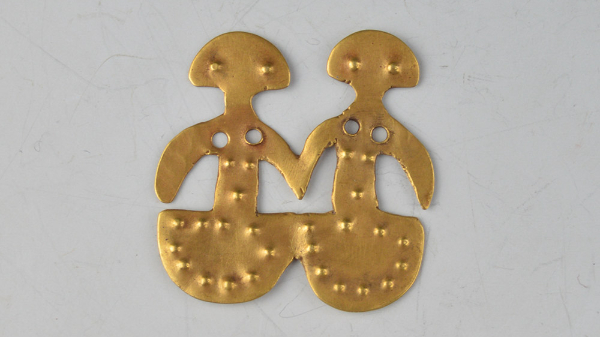
Gold jewelry in Turkey embodies a rich tapestry of influences from diverse ethnic, cultural, and social backgrounds, spanning millennia. This comprehensive article explores the deeply-rooted historical origins of gold jewelry within Turkey, shedding light on the intricate interplay of civilizations, artistic traditions, and societal values. From the enigmatic site of Göbekli Tepe to the modern era, Turkish gold jewelry reflects a synthesis of artistic ingenuity, religious symbolism, and cultural exchange.
Gold jewelry holds a revered position in Turkish culture, serving as a symbol of wealth, status, and artistic expression. However, its significance transcends mere aesthetics, representing a complex amalgamation of ethnic identities, historical legacies, and artistic traditions. This article endeavors to delve deeper into the millennia-old legacy of gold jewelry within Turkey, offering insights into its diverse origins and enduring allure.
Ancient Anatolia (10th millennium BCE – 600 BCE)
The roots of gold jewelry within Turkey stretch back to the dawn of civilization, with the enigmatic site of Göbekli Tepe serving as a testament to the artistic sophistication of ancient Anatolian cultures. While Göbekli Tepe predates the advent of metallurgy, its intricate stone carvings and symbolic motifs provide evidence of a rich visual culture that laid the foundation for later artistic endeavors. As metallurgical techniques advanced, ancient Anatolian civilizations such as the Hittites, Phrygians, and Lydians began crafting exquisite gold jewelry, reflecting their spiritual beliefs, social status, and cultural heritage.
Classical Period (600 BCE – 330 CE)
During the classical period, Anatolia emerged as a crossroads of civilizations, witnessing the convergence of Greek, Persian, and Roman influences. Gold jewelry from this era exemplifies a fusion of artistic styles and cultural motifs, blending the elegant simplicity of Greek designs with the opulence of Persian craftsmanship. Cities like Ephesus, Sardis, and Pergamon flourished as centers of goldsmithing, producing exquisite pieces that adorned the elite of the Mediterranean world.
Byzantine Era (330 CE – 1453 CE)
The Byzantine Empire left an indelible mark on the development of gold jewelry in Turkey, blending Christian symbolism with classical aesthetics and Eastern ornamentation. Byzantine artisans excelled in techniques such as cloisonné enameling, granulation, and filigree, creating intricate pieces adorned with religious iconography and imperial insignia. The Byzantine era witnessed a proliferation of ecclesiastical treasures, with gold jewelry playing a central role in the adornment of churches, icons, and religious relics.
Ottoman Period (1299 CE – 1922 CE)
The Ottoman Empire ushered in a golden age for Turkish craftsmanship and jewelry making, marked by cultural diversity, artistic innovation, and imperial patronage. Ottoman jewelry reflected the multicultural fabric of the empire, incorporating motifs and techniques from Turkish, Arab, Persian, and European traditions. Istanbul’s Grand Bazaar emerged as a bustling hub of trade and craftsmanship, where master jewelers produced exquisite pieces for the sultans, courtiers, and affluent merchants.
Modern Era (1923 CE – Present)
In the modern era, Turkish gold jewelry continues to thrive as a symbol of cultural heritage and artistic excellence. While traditional motifs and craftsmanship remain integral to Turkish jewelry design, contemporary jewelers also draw inspiration from global trends and innovations. Istanbul’s vibrant jewelry scene, characterized by a blend of tradition and modernity, showcases the enduring appeal of Turkish gold jewelry on the world stage.
Conclusion: The millennia-old legacy of gold jewelry within Turkey is a testament to the enduring craftsmanship, cultural diversity, and artistic innovation that have shaped the region’s identity over time. From the enigmatic beginnings of Göbekli Tepe to the modern era, Turkish gold jewelry has transcended borders and civilizations, reflecting the rich tapestry of Turkish heritage. By unraveling its historical origins and cultural significance, we gain a deeper appreciation for the timeless allure of Turkish gold jewelry.
