


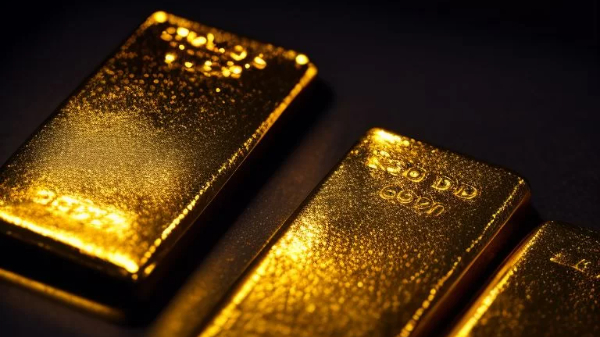
When it comes to jewelry production, gold is a versatile metal prized for its beauty and durability. However, the technical specifications of gold used in jewelry making go beyond its pure form. Here’s a detailed breakdown:
- Alloy Composition:
- Purity Levels: Pure gold, also known as 24 karat gold, is too soft for most jewelry applications. Hence, gold is often alloyed with other metals to increase its strength and durability.
- Common Alloys: Popular gold alloys include 22 karat (91.7% gold), 18 karat (75% gold), and 14 karat (58.3% gold). These alloys strike a balance between durability and purity, making them suitable for various jewelry pieces.
- Impact on Color and Hardness: Alloying gold with metals like copper, silver, or palladium not only affects its color but also influences its hardness and workability.
- Color Variations:
- Yellow Gold: Pure gold exhibits a rich yellow color, but alloying it with metals like copper maintains this warm hue.
- White Gold: To achieve a white or silver color, gold is often alloyed with metals like nickel, palladium, or silver. This creates an elegant alternative to traditional yellow gold jewelry.
- Rose Gold: A blend of gold, copper, and sometimes silver creates rose gold, which features a subtle pinkish hue.
- Hardness and Durability:
- Workability: Gold alloys must strike a balance between malleability and durability. They should be easily malleable for intricate designs yet sturdy enough to withstand daily wear.
- Surface Hardness: Alloy compositions impact the surface hardness of gold. Higher karat gold alloys tend to be softer, while lower karat alloys offer greater resistance to scratching and denting.
- Workability and Formability:
- Casting and Shaping: Gold alloys should be easily cast into molds and shaped into desired jewelry forms without excessive brittleness or porosity.
- Soldering: Gold alloys must exhibit good solderability to ensure seamless joining of components during jewelry fabrication.
- Stone Setting: The malleability of gold alloys plays a crucial role in securely setting gemstones without causing damage.
- Corrosion Resistance:
- Tarnish Resistance: Gold is naturally resistant to tarnishing and corrosion, making it an ideal choice for long-lasting jewelry. However, certain alloy compositions may affect this property, especially in environments with high humidity or chemical exposure.
- Skin Compatibility:
- Allergenic Potential: Some individuals may experience allergic reactions to specific alloying metals like nickel. Jewelry manufacturers often use hypoallergenic alloys or offer alternative options to accommodate sensitive skin.
In conclusion, the technical specifications of gold in jewelry production encompass a range of factors, including alloy composition, color variations, hardness, workability, corrosion resistance, and skin compatibility. Understanding these specifications allows jewelry designers and manufacturers to create pieces that not only showcase the beauty of gold but also meet the demands of consumers in terms of aesthetics, durability, and comfort.
